The Dangers of DIY Pressure Washing (and When to Call a Pro)
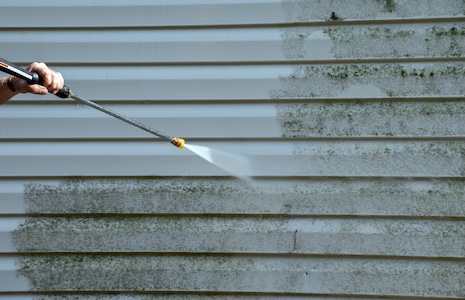
Pressure washing looks simple, but blasting water at your home’s exterior can cause expensive problems in seconds. As a siding-focused contractor, Bearloga Construction LLC sees the same pattern: well-meaning homeowners try to save time, then end up with gouged panels, water leaks, or streaks that will not go away. The safer path for siding is low-pressure cleaning, also known as soft washing. If you want a deeper look at how this method protects your home, explore our soft washing approach on our soft washing service page.
Why Pressure Washing Goes Wrong On Siding
Siding is designed to shed rain, not resist a concentrated jet of water. When you point a high-pressure stream at seams, window trim, or light fixtures, it can push water behind the cladding. That moisture lingers inside wall cavities where you cannot see it, setting the stage for mold, warped sheathing, and peeling paint months later.
Vinyl, aluminum, wood, and fiber cement each have weak points. Vinyl can bow or crack. Aluminum can dent and lose its protective finish. Wood fibers can fray and absorb water. Fiber cement coatings can etch, which makes dirt bond faster the next time it rains. Oxidized siding, which has a light chalky film, is especially vulnerable. A hard spray can create permanent tiger stripes where the chalk was stripped in uneven bands.
Pressure can drive water behind siding and into insulation, leading to hidden mold that is costly to fix. You might not see damage right away, but the long-term issues are real and avoidable.
Common DIY Pressure Washing Risks
Homeowners often underestimate the force of consumer machines. Even small units can produce a pinpoint stream strong enough to scar wood, chip brick mortar, or break window seals. Add a ladder and wet shoes, and risk rises fast.
- Etching, gouging, or cracking of vinyl, wood, and paint films
- Water intrusion at laps, J-channels, utility penetrations, and attic vents
- Permanent streaks from stripping oxidation or protective coatings in uneven paths
- Blown window seals and soaked insulation around trim and sills
- Plant and lawn damage from undiluted cleaners and overspray
- Slip-and-fall incidents on wet stairs, decks, or second-story ladders
- Electrical hazards near outlets, lights, and service lines
High pressure can cut skin and cause serious injury at close range, and it can throw debris with enough force to break glass. That is not a risk worth taking for routine exterior cleaning.
Soft Washing Vs. Pressure Washing For Siding
Soft washing uses targeted detergents and very low water pressure to loosen and rinse away grime, algae, and mildew. The goal is to let chemistry do the heavy lifting so your siding is cleaned gently and evenly. This approach protects finishes, helps prevent streaking, and reduces the chance of forcing water behind the panels.
Because the rinse stream is gentle, soft washing is safer around window seals, dryer vents, light fixtures, and soffits. The technician controls dwell time and rinse volume to remove growth at the roots instead of just blasting the surface. That is a key part of power washing safety for siding and trim.
If you want a trusted crew to assess your exterior, you can start with our local team and learn how we tailor methods to your home’s materials and layout. For detailed service information, see how we apply low-pressure cleaning through professional soft washing.
When To Call A Professional
There are times when hiring a pro is not just smart; it is the safest choice for your siding and family. If any of the following sound familiar, DIY pressure washing is likely to create more problems than it solves:
- Heavy green or black growth that returns quickly after rain
- Second-story or steep areas where ladder work would be required
- Older paint or chalky, oxidized siding prone to tiger striping
- Complex trim, gables, or hard-to-reach dormers
- Nearby landscaping you want to protect from cleaners and overspray
- Past DIY cleaning left streaks, dull patches, or water stains
What A Pro Does Differently To Protect Your Home
Experienced technicians start by identifying your siding type and its condition. They look for oxidized areas, loose panels, failing caulk, and gaps at penetrations. This inspection guides the cleaning plan, so the process improves the look of your home without exposing weak spots.
Professionals pre-soak plants, apply the correct detergent at a controlled mix, allow a measured dwell time, then rinse with low pressure. Instead of trying to clean everything with force, they adjust each step to the surface. That means gentler cleaning for older paint, special attention to trim and soffits, and careful rinsing around window seals.
They also protect electrical fixtures, test run-off paths, and keep ladders off slippery surfaces. The result is an even, bright finish without stripes or wand marks. If your home has stubborn rust streaks or irrigation stains, a pro knows which specialty treatments are safe for specific siding materials.
To understand the difference this makes on real homes, review how our team handles siding with our soft washing service. The methods are designed to clean thoroughly while extending the life of your exterior.
Why Streaking And “Tiger Stripes” Happen
Many homeowners are surprised when cleaning leaves the house looking worse. Streaks and tiger stripes come from uneven removal of oxidation or from letting detergent dry on hot panels. High pressure exaggerates the problem by carving brighter paths through dull, chalky layers.
Soft washing controls dwell time and temperature, and it uses uniform, low-pressure rinsing. That is why the finish looks even from top to bottom. It is also why the results last longer, because growth is treated at its source instead of scattered across the siding.
Uneven color on siding after washing is usually damage, not dirt you missed. Trying again with more pressure will widen the streaks and strip more finish.
Health And Safety You Might Not See
DIY pressure washing often sends aerosolized grime and cleaner into the air. That mist can get into vents, screens, and open windows. It can also drift onto neighbors’ cars or porches. Professionals control overspray and use solutions designed for siding, then rinse thoroughly to protect people, pets, and plants.
Water that sneaks behind siding does not just stain drywall later. It can lower indoor air quality if it feeds hidden mold. Pro crews limit this risk by keeping pressure low, watching seam directions, and rinsing in a way that sheds water away from overlaps.
Seasonal Realities For Your Home’s Exterior
Across most of the U.S., spring pollen sticks to damp siding and creates a food source for algae. Hot summer sun bakes that film in place. Fall leaves add tannin stains, and winter freeze-thaw cycles stress caulk and joints. These changes are why a gentle, methodical cleaning works better than a once-a-year blast. It respects your home’s materials in every season.
High pressure near fixtures and meter bases can create electrical hazards you cannot see until something fails. Keeping force low around these areas is part of responsible exterior cleaning.
How To Choose A Qualified Soft Washing Company
Look for a team that focuses on siding, trains its technicians, and can explain the difference between pressure washing and soft washing for your specific materials. Ask about plant protection, detergents, and rinse methods. Confirm they carry proper insurance and can provide recent references for homes with the same type of siding you have.
A reputable provider will describe expected results and any limits based on your home’s age or condition. They should welcome questions about safety practices and how they prevent streaking. Most important, they will recommend solutions that fit your home instead of pushing one method for every surface.
Protect Your Siding And Stay Safe
DIY can be great for small projects, but pressurized water on siding is not one of them. The risks include hidden moisture, streaks you cannot fix, and injuries that turn a weekend task into a setback. Soft washing solves the real problem by removing growth gently and evenly.
Skip the DIY pressure washing risks and talk with a pro who uses soft washing to clean siding safely. Connect with Bearloga Construction LLC at 540-246-4768 to schedule an inspection and get a plan that protects your home’s exterior the right way.
TOP BRANDS YOU TRUST


Upgrade Your Siding Today With Our Siding & Soft Washing Experts in Harrisonburg!